
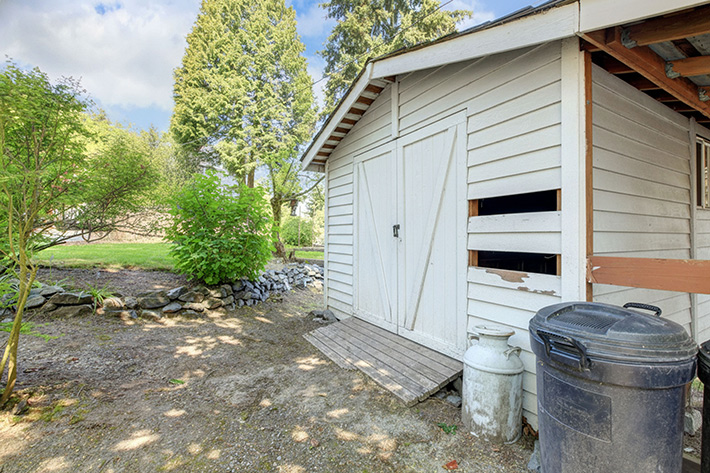
A backyard shed can be useful for years before it starts becoming something you work around instead of something you use. The doors stop closing properly. One corner begins to sag. Water finds its way inside, and suddenly half the floor is occupied by things nobody wants to put anywhere else.
The fall season is the perfect time to get things ready for winter including a shed that needs to house seasonal items that need protection from the weather.
At some point, repairing the shed stops making much sense, and removal becomes the better option.
Removing an old shed can open up a surprising amount of yard space, but the job is usually more involved than knocking down a few walls and carrying the pieces to the curb. Construction materials are bulky, old structures can hide weak flooring, and years of stored belongings often have to be dealt with first.
Knowing what the job involves can help you decide whether to handle it yourself or bring in a professional junk removal team.
Where Should you Start with an Old Shed?
Before anything comes apart, you need to empty the shed.
That can be the biggest part of the job. Sheds have a way of collecting leftover garden supplies, old tools, broken lawn equipment, and outdoor furniture that stopped being useful years ago.
Take a little time to separate what you actually want from what has simply been sitting there. Tools that still work may belong in the garage. Seasonal equipment may need a new storage spot.
Items that are damaged beyond use can go with the removal load.
Clearing the shed first also lets you assess the floor’s condition. Rotten boards, animal nests, or moisture damage may have been hidden underneath stored items.
Why Should You Look to The Structure Before Pulling It Apart?
Old sheds do not always fail evenly.
One wall may still feel solid while the opposite corner has started separating from the base. Roof panels may be loose. Wooden flooring may look fine until you place weight on a soft section.
That uneven condition is one reason shed demolition deserves some care.
A structure that is already leaning can move suddenly when you remove part of it. Pulling off the wrong panel first may leave a wall unsupported. Rusted fasteners and broken lumber can also make hand demolition more hazardous than it appears from outside.
If the shed is heavily deteriorated, treating it like a controlled dismantling job is safer than simply trying to push it over.
What The Shed Is Made From?
The removal process changes depending on the structure.
A lightweight resin shed comes apart differently than an older wooden one. Metal sheds can leave behind sharp sheet edges once panels are removed. Wood structures may contain roofing material, damaged plywood, or heavier framing that needs to be broken down into workable sections.
The base matters too. Some sheds sit directly on gravel or wood skids. Others may sit on a small concrete pad.
Knowing what is underneath helps you decide what you want the yard to look like afterward. You may want to keep a sound pad for another use, or you may want the entire area cleared for grass or landscaping.
How Does Access Affect Shed Removal?
Backyard structures are rarely sitting next to the driveway.
A narrow gate between the shed and the truck may limit access. Landscaping can limit the route. Soft ground after rain may make moving heavier pieces harder.
Walk the path before removal begins, and note where debris will need to travel. Move patio furniture or garden items that are in the way. If a gate doesn’t offer much clearance, you may need to break down larger shed sections further before they can leave the yard.
Good access can make a major difference in how smoothly the cleanup goes.
Why Do Old Sheds Become Attractive To Pests?
Once a shed starts deteriorating, small openings appear around the floor and walls. That can create sheltered areas for rodents or insects.
Stored cardboard adds another problem because it absorbs moisture and provides hiding places. A shed that has been largely unused may have activity inside long before anyone notices it.
When emptying an older structure, use caution around nests or droppings. If animal activity is significant, the area may need attention before demolition begins.
Removing the shed also removes a place where future pests could continue sheltering close to the house.
What Should You Do With the Space After Shed Removal?
Shed removal feels much more satisfying when you already have a plan for the empty area.
Maybe you want the lawn back. The space could become a garden bed, a seating area, or simply an open section of yard that is easier to maintain.
Having that plan helps determine how much of the old structure needs to disappear. Leaving behind broken skids or scattered roofing nails defeats much of the project’s purpose. A good cleanup should leave the area ready for whatever follows.
Junk Removal From Demolition to Final Haul-Away
An old shed often stays in the yard because removal feels like a weekend project that keeps growing. First, the contents have to go. Then the structure has to come apart. After that, you still have to haul everything away.
Professional removal can handle the physical work in one visit and spare homeowners from a growing debris pile afterward.
Mitten Junk Removal in Howell provides professional shed removal, light demolition, and junk hauling for homeowners throughout Howell, Brighton, and surrounding Southeast Michigan communities. In addition to unwanted sheds, we handle garage, basement, estate, and property cleanouts, along with furniture, appliances, and other bulky items Contact us online or call today for a free estimate!